
COMISA Management: Effective Strategies for Treating Insomnia and Sleep Apnea Together

Over 39% of people diagnosed with sleep apnea also struggle with insomnia. This dual diagnosis, known as COMISA, creates a vicious cycle where one condition worsens the other. Traditional treatments often fail when both issues are present. But there's hope-specialized approaches that address both conditions together can slash symptoms by more than half.
COMISA is a clinical condition where insomnia disorder and obstructive sleep apnea (OSA) occur together in the same patient. This dual diagnosis affects 39-58% of OSA patients, according to Dr. Alexander Sweetman's research at Flinders University. Unlike treating each condition separately, COMISA requires a combined approach because addressing one without the other often leads to poor outcomes.
Why COMISA Makes Sleep Harder
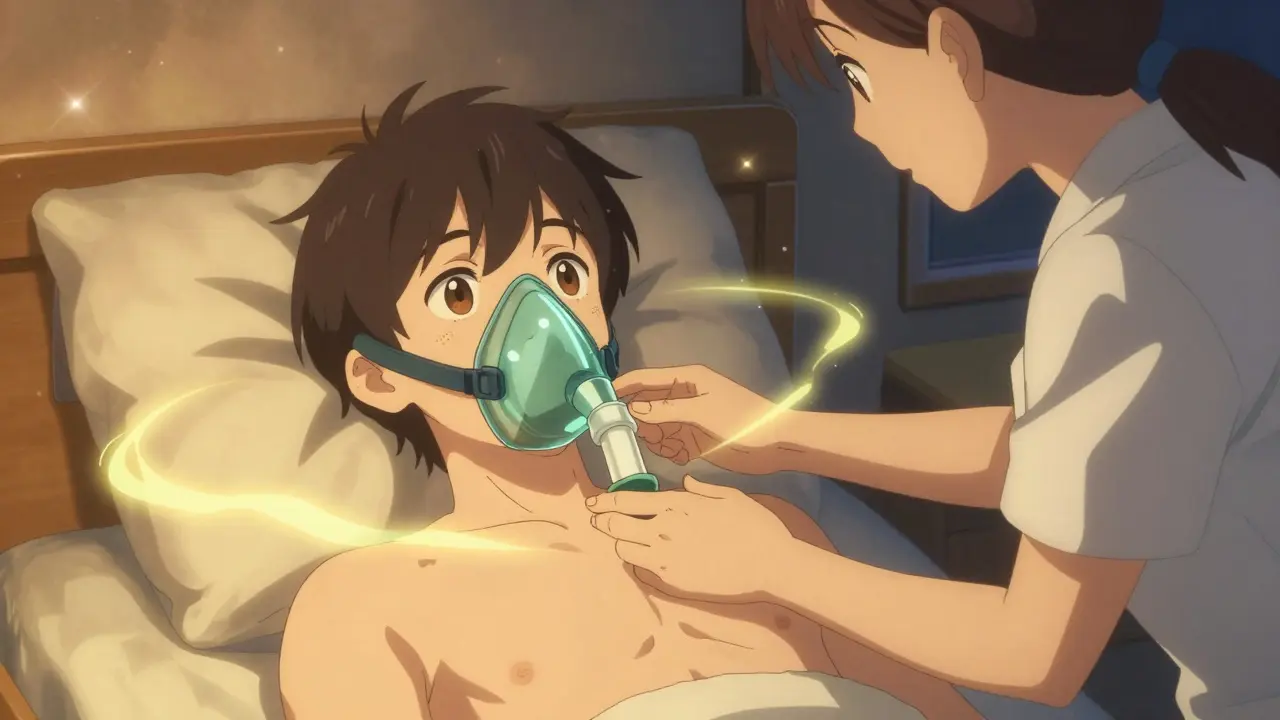
Imagine using a CPAP machine for sleep apnea but still waking up multiple times at night. That’s common in COMISA. CPAP discomfort can worsen insomnia symptoms, while insomnia makes it harder to stick with CPAP therapy. Studies show CPAP adherence drops to 42.7% in COMISA patients compared to 62.3% in OSA-only cases. This cycle traps people in poor sleep without addressing both issues at once.
Traditional treatments fail because they treat one condition in isolation. If you only use CPAP for OSA, insomnia symptoms often persist. If you only do CBT-I for insomnia, the underlying breathing problems from OSA remain. This is why COMISA needs a dual-focused strategy from the start.
How Doctors Diagnose COMISA
Diagnosing COMISA isn’t straightforward. A standard sleep study alone might miss insomnia symptoms. Doctors use two key tools: a polysomnography (PSG) test and the Insomnia Severity Index (ISI). PSG monitors breathing, brain activity, and oxygen levels overnight to confirm OSA. The ISI is a questionnaire where scores above 15 indicate clinical insomnia. Both are needed because sleep studies often overlook insomnia, and insomnia surveys don’t catch breathing issues.
For example, a patient might have mild OSA (AHI of 8) but severe insomnia (ISI score of 18). Without testing both, they’d get treated for only one condition. COMISA requires this dual assessment to avoid misdiagnosis. Research shows 68% of COMISA cases involve sleep maintenance insomnia-waking up repeatedly during the night-which responds differently to treatments than sleep onset insomnia.

Why Combined Treatment Works Best
Combining CBT-I and CPAP therapy from the start is the gold standard for COMISA. A 2020 study by Alessi et al. tracked 124 patients who received a five-session CBT-I program paired with CPAP adherence coaching. Results were clear: insomnia symptoms dropped by 54%, and CPAP usage increased by 1.2 hours per night. This works because CBT-I addresses the psychological barriers to using CPAP-like anxiety about masks or fear of waking up-while CPAP tackles the breathing disruptions causing sleep fragmentation.
Dr. Sweetman’s research found CBT-I alone reduces OSA severity by 15% in COMISA patients by consolidating sleep. This happens because better sleep regulation reduces the body’s stress response, which can worsen breathing issues. When used together, these treatments break the cycle where one condition fuels the other.
Real-World Challenges in Treatment
Access to specialized care remains a hurdle. Only 12% of COMISA patients can see psychologists trained in CBT-I for comorbid conditions. Wait times for specialists average 14.3 weeks. Many sleep centers don’t have formal referral pathways between sleep labs and behavioral health providers. A 2022 AASM survey found 63% of US sleep centers struggle with poor coordination between these teams.
Cost is another barrier. A full course of CBT-I plus CPAP equipment costs $1,200-$1,800 in the US. Insurance coverage varies widely, leaving many patients out-of-pocket. A 2022 MyApnea.org survey of 1,247 COMISA patients found 68% discontinued CPAP within six months without adjunctive insomnia treatment. But this dropped to 31% when CBT-I was added. This shows how critical integrated care is for long-term success.
Recent Advancements in COMISA Care
In December 2023, the FDA approved suvorexant for COMISA patients. This orexin antagonist, when combined with CPAP, showed 57% insomnia remission rates versus 33% with CPAP alone. New devices like ResMed’s AirSense 11 (released October 2023) automatically adjust pressure based on sleep stage, reducing discomfort during the night. Digital CBT-I platforms like Sleepio and Somryst are also gaining traction, especially for mild COMISA cases.
A 2023 JAMA Network Open study found digital CBT-I platforms achieve 65% insomnia remission in mild COMISA cases (AHI 5-15) but only 38% in moderate-severe OSA (AHI >15). This highlights the need for careful patient triage. Machine learning is also emerging: Sweetman’s team published a 78% accurate prediction model in Sleep 2023 that identifies which COMISA patients will respond best to specific treatments.
What You Can Do Today
If you suspect COMISA, start by asking your doctor for both a PSG sleep study and ISI test. Don’t assume one condition is the only problem. Look for sleep specialists who offer combined CBT-I and CPAP therapy. Patient advocacy groups like Project Sleep can help find resources in your area.
Start small. Gradual CPAP pressure ramping-using the machine’s ramp feature to slowly increase pressure-can ease discomfort. Combine this with stimulus control therapy: only use your bed for sleep, and get up if you can’t fall asleep after 20 minutes. One patient reported increasing CPAP usage from 2.1 to 6.7 hours per night over eight weeks using this approach.
CMS added COMISA-specific billing codes (G2212-G2214) in January 2024, reimbursing $125-$185 per session for integrated treatment. This means more providers are adopting combined care. Ask your doctor about these codes to ensure proper coverage.
What is COMISA?
COMISA stands for Comorbid Insomnia and Sleep Apnea. It’s when a person has both insomnia disorder and obstructive sleep apnea (OSA) at the same time. This dual diagnosis affects 39-58% of OSA patients and requires a combined treatment approach to break the cycle where one condition worsens the other.
Can I treat insomnia and sleep apnea separately?
Treating them separately often fails. CPAP alone doesn’t fix insomnia symptoms (39% of OSA patients still have insomnia despite CPAP use). CBT-I alone doesn’t address breathing issues in OSA. Research shows combining both from the start cuts insomnia symptoms by 54% and increases CPAP usage by 1.2 hours nightly. Isolated treatment misses the core problem: the two conditions interact.
How do doctors diagnose COMISA?
Doctors use two tests: a polysomnography (PSG) sleep study to measure breathing disruptions (AHI score), and the Insomnia Severity Index (ISI) questionnaire. Scores above 15 on the ISI indicate clinical insomnia. Both are needed because sleep studies alone miss insomnia symptoms, and insomnia surveys don’t detect breathing problems. For example, a patient with mild OSA (AHI 8) and severe insomnia (ISI 18) would be misdiagnosed without both tests.
Why does CPAP adherence drop in COMISA patients?
CPAP discomfort often triggers insomnia symptoms like anxiety about masks or fear of waking up. This creates a vicious cycle: insomnia makes CPAP harder to use, and poor CPAP use worsens insomnia. Studies show 68% of COMISA patients stop CPAP within six months without adjunctive insomnia treatment. Adding CBT-I reduces this to 31% by addressing the psychological barriers to consistent CPAP use.
Are digital CBT-I platforms effective for COMISA?
Yes, but with limits. Digital CBT-I platforms like Sleepio achieve 65% insomnia remission in mild COMISA cases (AHI 5-15). However, they only help 38% of moderate-severe OSA cases (AHI >15). These platforms work best for patients with lower OSA severity who can manage self-guided therapy. For severe OSA, in-person CBT-I combined with CPAP is still the most effective approach.
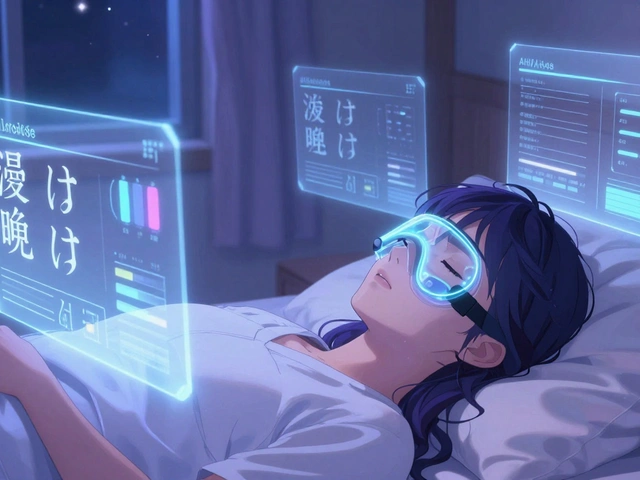

Combining CBT-I and CPAP therapy from the start is the most effective approach for COMISA. Many people struggle with both conditions, and treating them separately often leads to worse outcomes. Research shows that addressing both issues together can slash symptoms by over half. CPAP alone doesn't fix insomnia, and CBT-I alone doesn't address breathing problems. When you treat them in isolation, patients end up stuck in a vicious cycle. But with integrated care, you break that cycle. For example, CBT-I helps patients deal with anxiety about using CPAP, while CPAP tackles the sleep apnea. This dual approach increases CPAP adherence significantly. A study found that patients who got both treatments used CPAP 1.2 hours more per night. Insomnia symptoms dropped by 54% in those cases. It's not just about the tech; it's about the psychology too. Doctors need to screen for both conditions. Many patients are misdiagnosed because only one issue is checked. Insurance coverage is a hurdle, but CMS added new billing codes for integrated care. This means more providers are adopting combined treatment. It's a big step forward for COMISA patients.
This is all a scam. Medical industry profits from CPAP. Don't care about insomnia. Just push devices. Wake up. Stats are BS. It's all money. The FDA approves everything for profit. You think they care about patients? No way. They just want your money.
Integrated care is the only way.
Acces to care is limited here but the idee is solid. Maybe more global approach needed. We need to fix this.
Data insufficient. Studies not rigorous. Not evidence-based. Please provide more research. This is dangerous.
This is fantastic info! Integrated care makes a difference. Keep pushing for better treatments and awareness. Everyone deserves to sleep well.
Oh yeah because the system is perfect for that. Insurance won't cover it doctors don't coordinate. But sure let's all 'keep pushing'-that'll solve everything. *sarcasm off*
US healthcare is failing COMISA patients. Other countries handle this better. Systemic change needed now.