
Green Coffee Extract and Stimulant Medications: What You Need to Know About Blood Pressure Risks
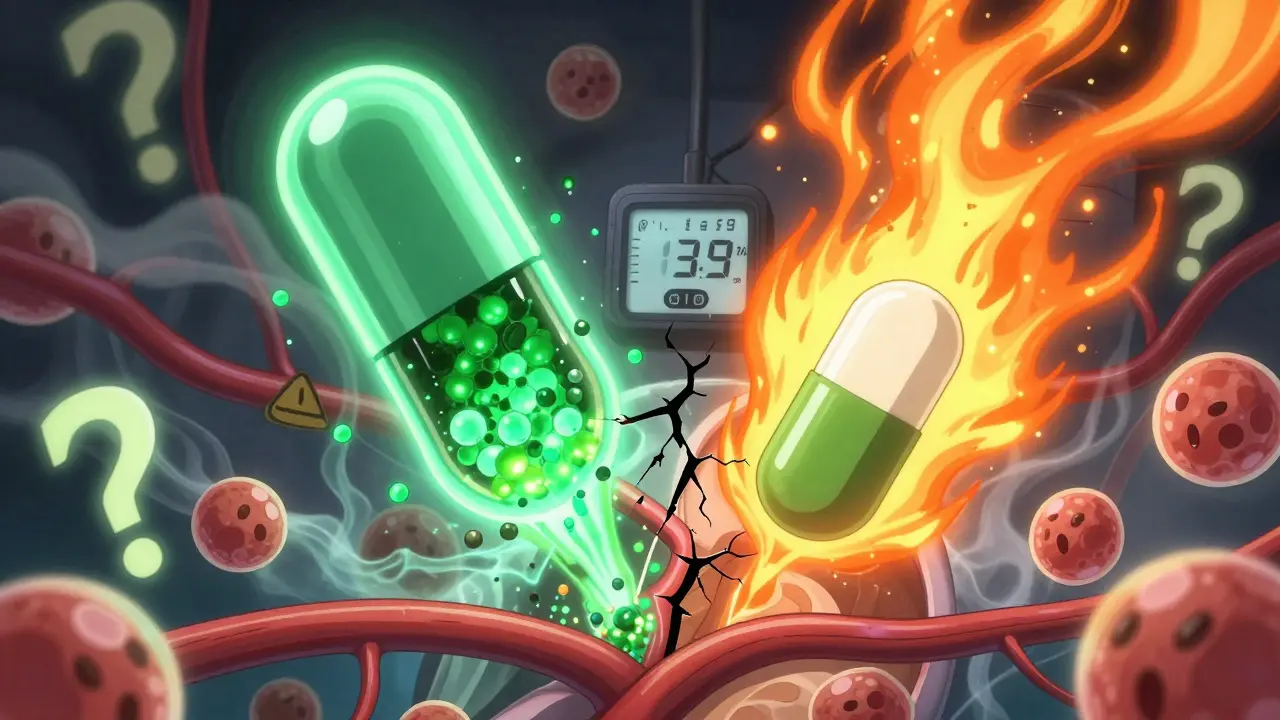
When you take a green coffee extract supplement hoping to lose weight or boost energy, you might not think twice about your blood pressure. But if you're also on a stimulant medication like Adderall, Vyvanse, or Ritalin, this combo could be riskier than you realize. The problem isn't just caffeine. It's how green coffee extract and stimulants fight each other inside your body - one trying to lower blood pressure, the other pushing it up. And when they clash, your numbers can go haywire.
What Exactly Is Green Coffee Extract?
Green coffee extract comes from unroasted coffee beans. Unlike your morning cup of coffee, which is roasted and loses most of its chlorogenic acids, this supplement keeps them intact. These acids - especially CGA - are what make green coffee extract popular. They’re linked to weight loss, blood sugar control, and yes, lowering blood pressure.
But it’s not all chlorogenic acids. Most green coffee extract supplements also contain caffeine - anywhere from 5% to 20% by weight. That means a single capsule could pack 50 to 200 mg of caffeine. For comparison, a typical cup of brewed coffee has about 95 mg. So if you're taking two capsules a day, you’re getting the caffeine equivalent of two to four cups of coffee - all in pill form.
Studies show that at typical doses (93-185 mg per day), green coffee extract lowers systolic blood pressure by about 5 mmHg and diastolic by 3-4 mmHg. That’s not a huge drop, but it’s consistent. One 2006 study with 117 men with mild high blood pressure found clear, dose-dependent results: more extract, more drop in pressure. No serious side effects were reported.
How Stimulant Medications Affect Blood Pressure
Stimulant medications for ADHD - like methylphenidate (Ritalin, Concerta) and amphetamines (Adderall, Vyvanse) - are designed to increase focus and reduce impulsivity. But they also stimulate your nervous system. One of the most common side effects? Rising blood pressure.
According to FDA data, methylphenidate can raise systolic pressure by 2-11 mmHg and diastolic by 1-9 mmHg. Amphetamines? Even more: systolic up 4-13 mmHg, diastolic 2-8 mmHg. These aren’t small numbers. For someone already borderline hypertensive, that push could cross into dangerous territory.
The American Heart Association recommends regular blood pressure checks for anyone on these meds. Why? Because the increase isn’t random. It’s predictable. And it’s cumulative. Over time, even small daily spikes can strain your heart and arteries.
The Hidden Conflict: Opposing Forces in Your Body
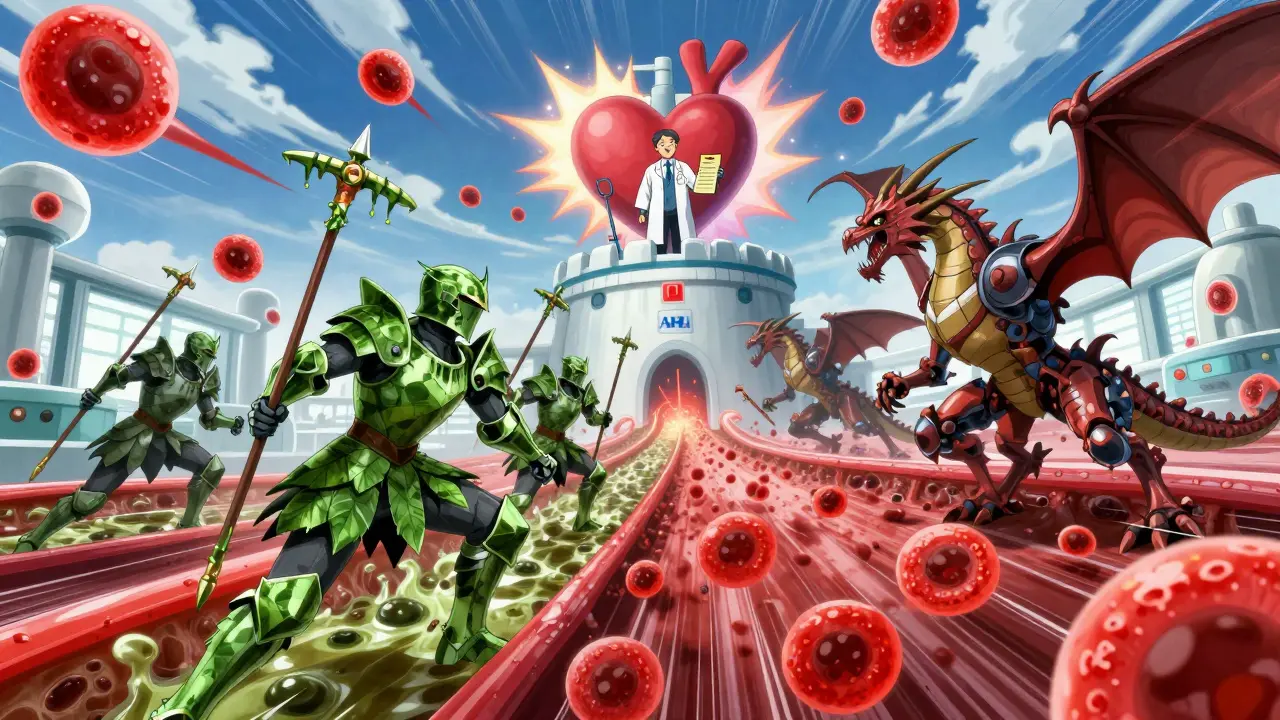
Here’s where things get tricky. Green coffee extract lowers blood pressure. Stimulants raise it. On paper, you might think they cancel each other out. But the body doesn’t work like a simple math equation.
When two opposing forces act on your cardiovascular system, your body doesn’t just stabilize - it reacts. It may overcompensate. Your heart rate could spike. Your blood vessels might constrict unpredictably. You could feel dizzy, lightheaded, or get heart palpitations. These aren’t just side effects - they’re signs your system is struggling to adapt.
A 2021 case report in the Journal of Clinical Hypertension described a 34-year-old man on Adderall XR 30 mg daily who started taking a green coffee extract supplement with 180 mg of caffeine. His blood pressure swung wildly - from 118 to 156 mmHg systolic - within days. His doctor had to adjust his medication. He stopped the supplement, and his numbers stabilized.
This isn’t an isolated case. ConsumerLab’s 2023 safety report flagged 17 adverse events tied to green coffee extract, nine of which involved people also taking stimulant meds. Healthline’s analysis of 1,200 user reports found that 28% of stimulant users who took green coffee extract reported blood pressure instability - compared to just 8% of those who didn’t.
Why the Dose Matters - And Why It’s Hard to Predict
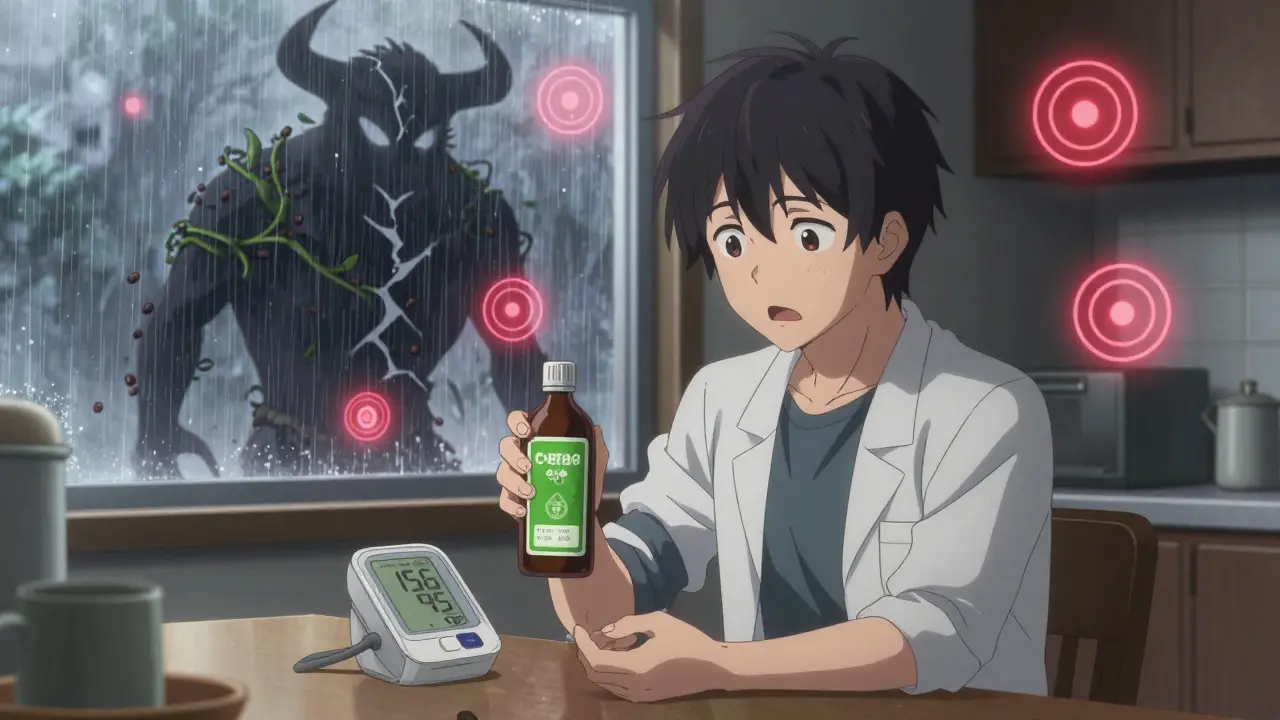
Not all green coffee extract supplements are created equal. ConsumerLab tested 15 popular brands in 2023 and found huge differences:
- Chlorogenic acid content: 28.7% to 51.3%
- Caffeine content: 3.2% to 18.7%
That means two bottles labeled the same way could deliver completely different doses. One might give you 60 mg of caffeine. Another could give you 190 mg. You can’t tell just by looking at the label. And if you’re already on a stimulant, that extra caffeine could push you over a safety threshold.
The European Food Safety Authority says single doses of caffeine under 200 mg are generally safe. But when you add caffeine from green coffee extract to caffeine from Adderall or Vyvanse, you’re not just adding - you’re multiplying. A 30 mg dose of Adderall contains about 10-15 mg of caffeine equivalents. Add a 150 mg caffeine green coffee capsule? You’re now at 160-165 mg of caffeine from two sources - and that’s before any other drinks or foods.
That’s why pharmacists are now being trained to ask specifically about green coffee extract when dispensing stimulants. The American Pharmacists Association’s 2023 guidance says combining these can easily push daily caffeine intake past 300 mg - a level linked to higher risk of heart rhythm issues and elevated blood pressure in sensitive people.
What Experts Are Saying
Dr. James Lane from Duke University, who’s studied caffeine and stress responses for decades, says: “The combination of prescription stimulants with additional stimulatory compounds like caffeine in green coffee extract creates unpredictable hemodynamic responses that can compromise treatment efficacy and patient safety.”
The American Society of Hypertension warned in 2022 that chlorogenic acid’s ACE-inhibiting effects may interact with both stimulants and blood pressure medications. That means if you’re also taking lisinopril or losartan, you’re adding another layer of risk.
Dr. Christopher V. Granger, co-author of the American Heart Association’s 2022 ADHD medication guidelines, says he’s seeing more cases of “blood pressure lability” in patients combining stimulants with multiple caffeine sources - including green coffee extract. “It confounds proper dosing,” he says. “We can’t tell if the high reading is from the medication, the supplement, or both.”
Real People, Real Problems
Reddit threads and patient forums are full of stories:
- A 28-year-old on Vyvanse 50 mg: “My BP readings became wild - sometimes normal, sometimes 160/95. My cardiologist said stop the supplement. I did. Two days later, my numbers were steady.”
- A 29-year-old woman on Adderall 20 mg: “I started getting heart palpitations and dizziness. I thought it was anxiety. Turns out, it was the green coffee extract. My doctor said the caffeine was amplifying the stimulant.”
These aren’t anecdotes. They’re red flags. And they’re growing. Between 2020 and 2023, reports to the FDA’s adverse event database mentioning “green coffee extract” and “blood pressure” jumped 217%. Nearly half involved stimulant medications.
What Should You Do?
If you’re on a stimulant medication and thinking about trying green coffee extract - stop. Talk to your doctor first.
Here’s what to ask:
- “Is it safe for me to take green coffee extract with my current medication?”
- “Could this interfere with how my blood pressure is controlled?”
- “Do you recommend any testing before or after starting it?”
If you’re already taking it, don’t quit cold turkey. Sudden changes can trigger rebound effects. Instead:
- Track your blood pressure twice a day for at least two weeks - morning and evening.
- Record your readings and note any symptoms: dizziness, racing heart, headaches.
- Bring this log to your doctor. Don’t assume they know you’re taking it.
- If your readings are unstable or consistently above 140/90, stop the supplement and get medical advice.
For people with existing high blood pressure, heart disease, or a history of arrhythmias, the American College of Cardiology recommends avoiding green coffee extract entirely while on stimulants.
The Bottom Line
Green coffee extract isn’t dangerous on its own. Stimulant medications aren’t dangerous on their own. But together? They create a tug-of-war your body wasn’t designed to handle. The risk isn’t theoretical. It’s documented. It’s reported. It’s happening right now.
There’s no magic dose that makes this combo safe. No “if you take it at night” trick. No “just one capsule” workaround. The interaction is real. The data is clear. And the consequences can be serious.
If you want the benefits of green coffee extract - weight loss, antioxidant support - there are safer ways to get them. Talk to your doctor about alternatives that won’t interfere with your medication. Your blood pressure will thank you.
Can green coffee extract lower blood pressure even if I’m on stimulants?
Yes, green coffee extract can still lower blood pressure even if you’re on stimulant medication - but that doesn’t mean it’s safe. The problem isn’t whether it works - it’s that it works in the opposite direction of your medication. This creates unstable blood pressure swings, which can lead to dizziness, heart palpitations, or even increased risk of stroke or heart strain over time.
How much caffeine is in green coffee extract supplements?
Caffeine content varies widely. Most supplements contain between 5% and 20% caffeine by weight. That means a typical 400 mg capsule could have 20 to 80 mg of caffeine. Some high-potency products may contain up to 180 mg per serving. Always check the label - but don’t trust it completely. Testing shows actual caffeine levels can be 30% higher or lower than what’s listed.
Is it safe to take green coffee extract with Adderall or Vyvanse?
No, it’s not considered safe. Both Adderall and Vyvanse raise blood pressure. Green coffee extract lowers it. When combined, they create unpredictable blood pressure fluctuations. Multiple case reports and clinical guidelines warn against this combination. The American Heart Association and American Pharmacists Association both recommend avoiding green coffee extract if you’re on stimulant medication unless under direct medical supervision.
What should I do if I’m already taking both?
Don’t stop your medication abruptly. Start tracking your blood pressure twice daily for at least two weeks. Record your readings and any symptoms like dizziness, rapid heartbeat, or headaches. Bring this log to your doctor. They may recommend stopping the supplement, adjusting your stimulant dose, or switching to a non-stimulant ADHD treatment. If your readings are consistently above 140/90, stop the supplement immediately and seek medical advice.
Are there safer alternatives to green coffee extract for weight loss?
Yes. Instead of green coffee extract, focus on proven lifestyle changes: regular physical activity, high-fiber foods, adequate sleep, and stress management. If you need a supplement, consider ones with no stimulant effects - like glucomannan or conjugated linoleic acid (CLA) - but always check with your doctor first. Some weight loss supplements contain hidden stimulants or caffeine, so avoid anything labeled as “energy-boosting” or “fat-burning.”
Has the FDA warned about green coffee extract and stimulants?
The FDA hasn’t issued a formal recall or ban, but it added green coffee extract to its September 2023 draft guidance on dietary supplement interactions with prescription medications. The European Medicines Agency included a specific warning in its herbal medicines database in February 2024. Both agencies are responding to rising reports of adverse events - especially those involving stimulant medications.
Will green coffee extract affect my ADHD medication’s effectiveness?
It’s unlikely to directly reduce how well Adderall or Vyvanse works for focus. But it can interfere with your body’s ability to manage the medication’s side effects. If your blood pressure becomes unstable, your doctor may lower your stimulant dose to protect your heart - which could reduce the medication’s effectiveness for ADHD symptoms. The goal is to treat both conditions safely, not just one.
What’s Next?
A major clinical trial (NCT05678901) is currently enrolling 300 participants to study the exact interaction between methylphenidate and standardized green coffee extract. Results are expected in early 2026. Until then, the safest approach is clear: avoid combining these unless your doctor explicitly says it’s okay - and even then, monitor your blood pressure closely.
Supplements aren’t harmless just because they’re natural. Green coffee extract has real pharmacological effects. So do stimulant medications. When they meet, your body pays the price. Don’t gamble with your cardiovascular health. Talk to your doctor. Track your numbers. Choose safety over convenience.
This is why people die from supplements. You think it's just 'natural' so it's harmless? Wake up. People are dying because they don't listen. Stop playing doctor with your body.
omg i had no idea this could happen!! i take vyvanse and green cofee extract daily… i think i might have a heart attack soon 😅
I’m so glad someone finally wrote this. I’ve been telling my friends for months that ‘natural’ doesn’t mean safe. I had a panic attack last year because I didn’t know my blood pressure was spiking from the combo. I’m alive because I listened to my body. Please, if you’re on stimulants - just skip it. Your heart isn’t a lab experiment.
It’s fascinating how we treat pharmaceuticals like sacred texts and supplements like harmless tea. The truth is, both are chemicals that interact with biology. The body doesn’t care if it’s FDA-approved or labeled ‘organic.’ It just reacts. This isn’t about fear - it’s about systems. Two opposing forces don’t cancel out. They create chaos. And chaos, in the cardiovascular system, is never quiet.
Thank you for posting this. I’ve been on Adderall for 8 years and just started green coffee extract last month because I wanted to lose weight. I had no idea. I’m going to stop it tomorrow and track my BP. I really appreciate the practical steps - this feels like real help, not just fear-mongering. You’re doing good work.
How is it possible that people still believe in these pseudo-scientific supplements? Chlorogenic acids? Please. You’re not a biochemist. You’re a consumer who saw a YouTube ad. The fact that you think ‘natural’ = safe is why modern medicine is under siege. Your blood pressure isn’t a TikTok trend. It’s a physiological parameter. Respect it.
Actually, I’ve been taking both for two years and my BP is fine. You’re all overreacting. This is just another scare tactic to sell more meds. My doctor said it’s fine. Who are you to tell me what to take?
Wait - so if I’m on Adderall and I drink coffee, is that the same as the supplement? I’m confused now. I drink two cups a day. Should I stop the coffee too? Or is it just the extract? I don’t want to freak out, but I also don’t want to be dumb about this.
Good breakdown. For anyone reading this: the caffeine in green coffee extract isn’t the only issue - it’s the unregulated dosage. A 400mg capsule might have 20mg or 180mg of caffeine. That’s a 900% variation. No one knows what they’re really taking. Add that to a stimulant with a known BP effect? You’re rolling dice with your heart. Don’t gamble. Talk to your pharmacist. They’re trained for this.
I’ve been having heart palpitations for weeks and no one would listen. I thought I was just anxious. Then I saw this post. I stopped the extract. Three days later, I felt like I could breathe again. I’m not okay. I’m not okay. I’m not okay.
Thank you for the clear, evidence-based post. Many people don’t realize that supplements aren’t regulated like drugs. The FDA doesn’t test them for interactions. You’re responsible for your own safety. Please, if you’re on stimulants, consult your physician before adding anything - even if it’s labeled ‘clean’ or ‘pure.’
My therapist told me to try green coffee extract for ‘stress-related weight gain.’ I didn’t think twice. Then I started getting chest pains. I thought it was anxiety. Turns out, my systolic was 162. I cried in the ER. I’m so angry at myself for not asking questions. This isn’t just about BP - it’s about trusting your body. I’m listening now.
From a pharmacological standpoint, the ACE-inhibiting properties of chlorogenic acid may potentiate the vasoconstrictive effects of amphetamines via endothelial nitric oxide modulation - leading to non-linear hemodynamic responses. In layman’s terms: your blood vessels get confused. Don’t mess with it.
It's interesting how people are so quick to blame supplements, yet they'll take 50mg of Adderall daily without blinking. The real issue is pharmaceutical overprescribing. If you're on stimulants long-term, you need to address the root cause - not just add another pill to balance it out. This is a systemic problem, not a supplement problem.
Wow. You’re just defending Adderall now? That’s not the point. The point is you don’t mix unregulated substances with prescription meds. That’s not a ‘systemic problem’ - that’s stupid. And you’re lucky you’re still alive.