
Are Natural Products Safer Than Pharmaceuticals? The Real Risks of Supplements and Drug Interactions
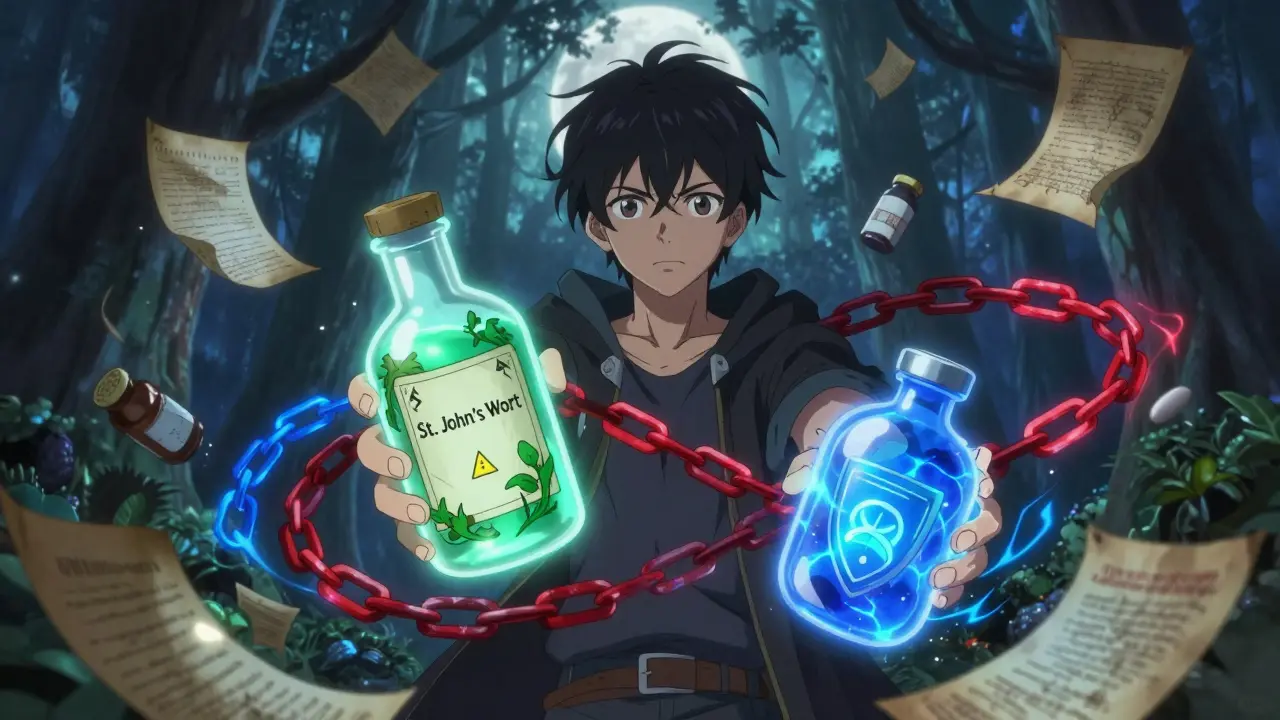
Many people believe that if something is natural, it must be safer. You see it on labels: ‘all-natural,’ ‘plant-based,’ ‘no chemicals.’ It sounds gentle. Pure. But when it comes to what you put in your body, especially when mixing supplements with prescription drugs, that belief can be dangerous.
The Myth of ‘Natural = Safe’
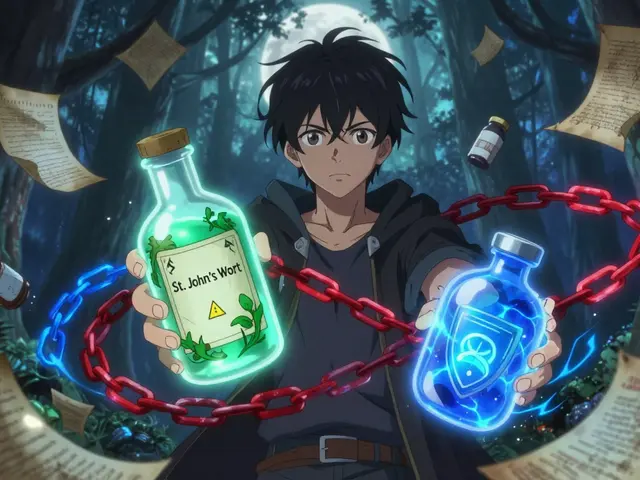
The idea that nature is inherently safer than science is deeply rooted-but it’s not backed by evidence. Take St. John’s wort, a popular herb for mild depression. It’s sold in health food stores as a ‘natural mood booster.’ But it can make birth control pills fail. It can stop blood thinners like warfarin from working. In people with bipolar disorder, it can trigger manic episodes. And yet, many users don’t know any of this because the label doesn’t say so.The FDA doesn’t require supplement makers to prove safety before selling. Unlike pharmaceuticals, which go through years of clinical trials and strict manufacturing oversight, herbal products can hit store shelves with no proof they work-or that they won’t hurt you. The Dietary Supplement Health and Education Act (DSHEA) of 1994 made this possible. It classifies supplements as food, not medicine. That means no pre-market approval. No required interaction warnings. No mandatory testing for contaminants.
How Pharmaceuticals Are Tested (And Why It Matters)
Pharmaceutical drugs go through a gauntlet. Before approval, they must pass multiple phases of clinical trials involving thousands of people. Manufacturers must document every step of production, from raw ingredients to final packaging. Facilities are inspected regularly. Post-market surveillance tracks side effects after millions of people start using the drug.For example, a new cholesterol drug might be tested in 10,000 patients over five years. If it causes liver damage in 1 in 500 users, that gets caught before it hits shelves. If it interacts badly with common antibiotics, that’s flagged. The results are published in medical journals. The prescribing information lists every known interaction, side effect, and contraindication.
Compare that to a turmeric capsule. The company might test for heavy metals or make sure the root powder is actually turmeric. But they don’t have to prove it reduces inflammation. They don’t have to test how it interacts with blood pressure meds or chemotherapy. And if someone has a bad reaction? There’s no system forcing them to report it.
The Hidden Dangers of Herbal Supplements
Some natural products are outright toxic. Kava, once popular for anxiety, was linked to severe liver damage. Ephedra, used in weight-loss products, caused heart attacks and strokes-leading to its 2004 FDA ban. Foxglove, the pretty flowering plant, contains digoxin-the same compound used in heart medication. Eat the plant? You can die. Take the purified drug under medical supervision? It can save your life.Even common herbs carry risks. Ginkgo biloba, taken for memory, can increase bleeding risk when combined with aspirin or ibuprofen. Garlic supplements can thin the blood too. And while echinacea is marketed to fight colds, multiple large studies show it doesn’t work. But people still take it, thinking it’s harmless.
And then there’s the problem of contamination. A 2022 FDA review found supplements laced with steroids, antidepressants, and even banned pharmaceuticals. One weight-loss supplement sold as ‘natural’ contained sibutramine-a drug pulled from the market for causing strokes and heart attacks. Labels don’t tell you this. You just get a bottle with a picture of a leaf and a promise of purity.
Pharmaceuticals Aren’t Perfect-But They’re Transparent
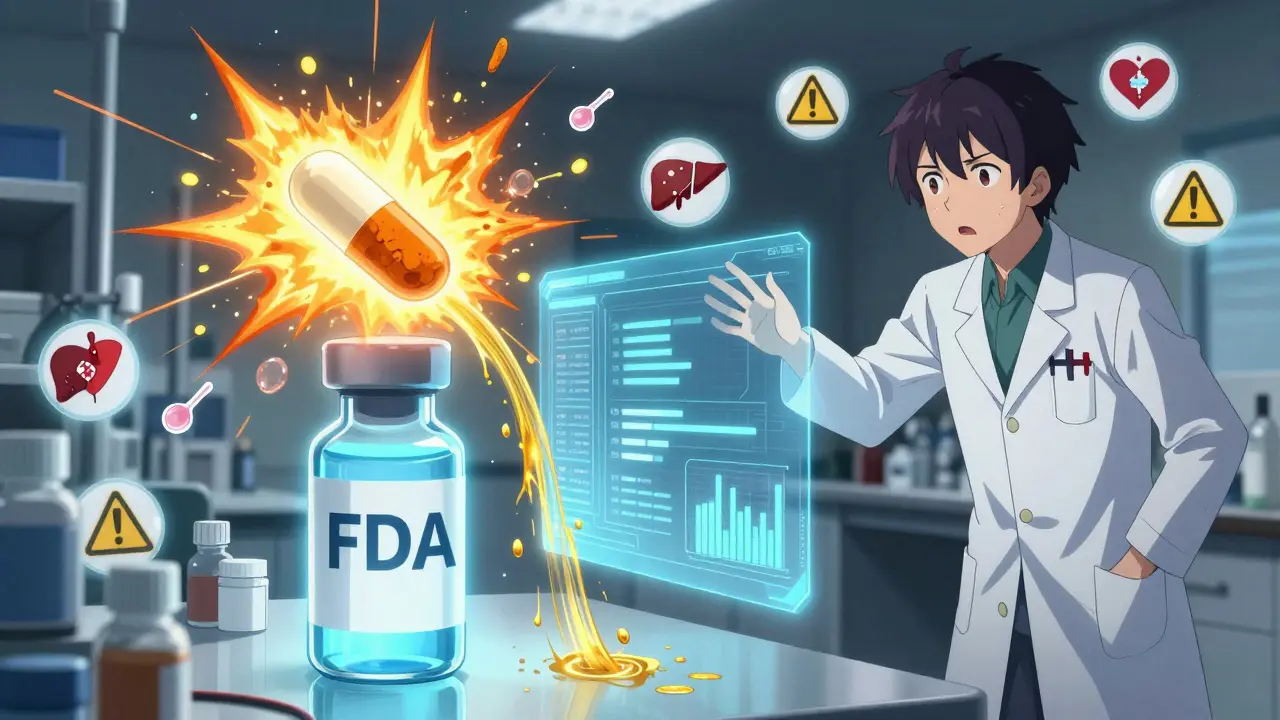
Yes, pharmaceuticals cause harm. About 100,000 Americans die each year from adverse drug reactions, according to the Mayo Clinic. Opioids cause addiction. Antibiotics trigger deadly infections like C. diff. Statins can damage muscles. But here’s the difference: we know this. These risks are documented. Doctors are trained to recognize them. Pharmacists check for interactions. Prescriptions come with warning inserts. There’s a system to catch problems.For natural products? There’s no such system. The National Poison Control Center doesn’t even have a dedicated category for herbal reactions. In 2022, there were 120,000 reported adverse events from prescription drugs. Only 1,200 for supplements. That doesn’t mean supplements are safer. It means most people don’t report them. They don’t know they should. Or they assume, ‘It’s natural-it can’t be the culprit.’
Why People Don’t Tell Their Doctors
A 2022 study in JAMA Internal Medicine found that 70% of people taking supplements never tell their doctor. Why? They think it’s not medicine. They think it’s harmless. Or they’re afraid their doctor will judge them.But here’s the problem: your doctor can’t protect you from what they don’t know. If you’re on blood thinners and start taking fish oil or vitamin E-both can thin blood further-you could bleed internally. If you’re on antidepressants and add St. John’s wort, you risk serotonin syndrome-a potentially fatal condition. Your doctor needs the full picture.
And it’s not just pills. Tea, tinctures, essential oils, topical creams-all can interact. Lavender oil, used in aromatherapy, can increase sedation when combined with anxiety meds. Green tea extract, sold as a weight-loss aid, has caused liver failure in some cases.
The Regulatory Gap
The U.S. dietary supplement industry is worth $50 billion a year. The pharmaceutical industry? $600 billion. But here’s the imbalance: pharmaceutical companies spend $100 billion annually on R&D under strict FDA rules. Supplement makers spend a fraction of that, with minimal oversight. In 2023, the FDA issued only 35 warning letters to supplement manufacturers-despite thousands of unsafe products on the market.The Dietary Supplement Listing Act of 2023, currently in Congress, could change that. It would require new supplements to prove safety before sale. But until then, you’re the only one checking what’s in your bottle.
What You Can Do
You don’t have to give up supplements. But you need to treat them like medicine.- Always tell your doctor and pharmacist what you’re taking-even ‘just’ vitamin D or ginger tea.
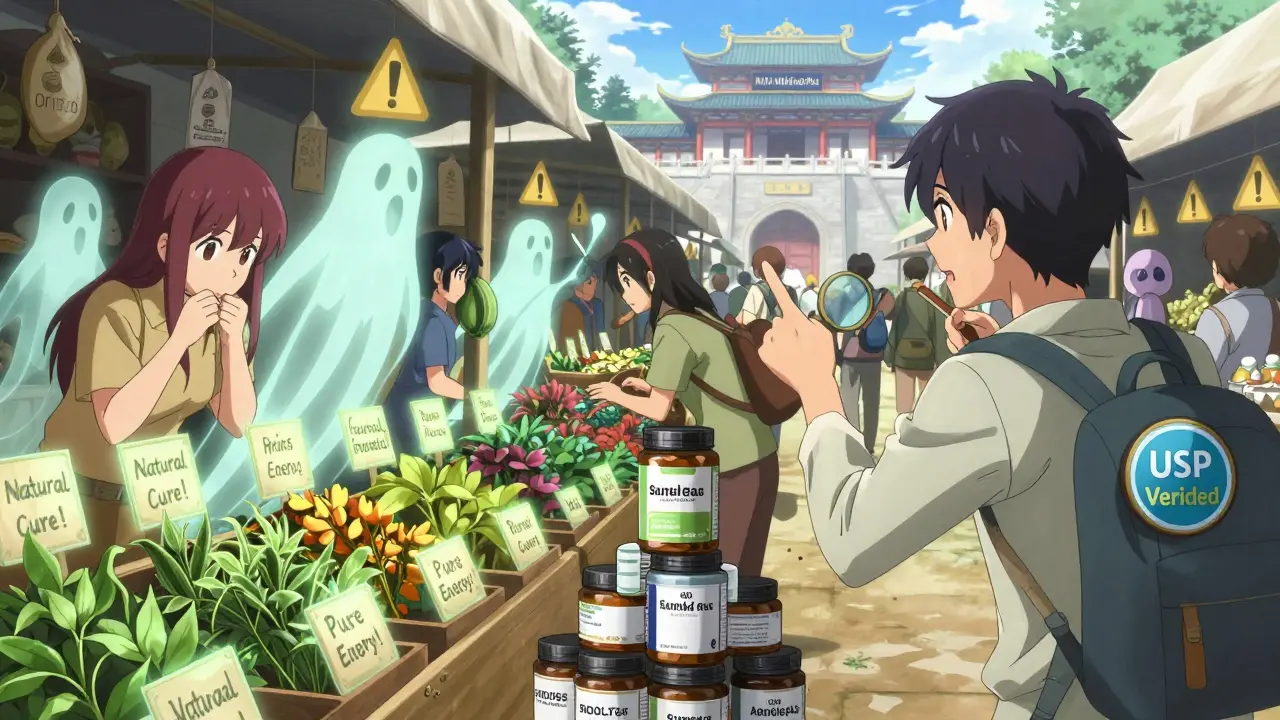
- Look for third-party verification. Choose products with the USP Verified Mark, NSF Certified, or ConsumerLab Tested label. These mean independent labs checked for ingredients and contaminants.
- Don’t assume ‘natural’ means safe. If a product sounds too good to be true-‘cures arthritis in 3 days!’-it probably is.
- Check for interactions. Use the NIH Office of Dietary Supplements website or MedlinePlus. Type in your supplement and your medication. See if they interact.
- Stop taking it if you feel strange. Unexplained fatigue, nausea, rash, or changes in heartbeat? Stop the supplement and call your doctor.
The bottom line isn’t whether nature is better than science. It’s that both can hurt you if used carelessly. The difference? With pharmaceuticals, you’re warned. With supplements, you’re left to figure it out yourself.
It’s Not About Natural vs. Synthetic
Many life-saving drugs came from nature. Aspirin was derived from willow bark. Penicillin from mold. Taxol from Pacific yew trees. Science didn’t make them unsafe-it purified them, tested them, and controlled the dose.When you take a natural product in its raw form, you’re getting a complex mix of compounds. Some help. Some harm. Some interact unpredictably. That’s not magic. That’s chemistry.
So next time you reach for a ‘natural’ remedy, ask yourself: Do I know what’s in it? Do I know how it might react with my other meds? Do I know who tested it? If the answer is no, you’re not being safe-you’re being lucky.
Are herbal supplements regulated like prescription drugs?
No. Herbal supplements are classified as dietary supplements under DSHEA, not as drugs. That means they don’t need FDA approval before being sold. Manufacturers aren’t required to prove safety or effectiveness. In contrast, prescription drugs must pass multiple clinical trials, have documented manufacturing processes, and undergo ongoing monitoring after approval.
Can natural supplements interact with my medications?
Yes, and often dangerously. St. John’s wort can reduce the effectiveness of birth control, antidepressants, and blood thinners. Garlic, ginkgo, and fish oil can increase bleeding risk when taken with aspirin or warfarin. Even common vitamins like vitamin K can interfere with blood thinners. Always check for interactions before combining supplements with prescription drugs.
Why don’t supplement labels warn about drug interactions?
Because they’re not required to. Under current U.S. law, supplement manufacturers don’t have to prove their products are safe or test them for interactions before selling. Warning labels are voluntary. That’s why many people don’t realize they’re at risk until something goes wrong.
Is it true that natural products cause fewer deaths than pharmaceuticals?
It’s misleading. While reported deaths from herbal supplements are rare, that’s largely because they’re underreported. The FDA receives about 120,000 adverse event reports for prescription drugs each year but only around 1,200 for supplements. Experts believe this gap reflects low reporting rates, not lower risk. Many people don’t connect their symptoms to a supplement, and doctors often don’t ask about them.
How can I know if a supplement is safe?
Look for third-party verification seals like USP Verified, NSF Certified, or ConsumerLab Tested. These mean an independent lab tested the product for ingredients, potency, and contaminants. Avoid products with no labeling, vague claims, or ‘proprietary blends’ that hide ingredient amounts. Always consult your doctor before starting any new supplement, especially if you’re on medication.
Should I stop taking supplements if I’m on prescription drugs?
Not necessarily-but you should talk to your doctor first. Some supplements, like vitamin D or calcium, are safe and beneficial. Others, like St. John’s wort or high-dose vitamin E, can be risky. The key is disclosure. Your doctor needs to know everything you’re taking to avoid dangerous interactions. Never assume a supplement is harmless just because it’s natural.
My grandma took turmeric for arthritis and ended up in the ER with a bleed. Never told her doctor. Don’t be her.
While I appreciate the scientific rigor presented in this post, I must emphasize the profound responsibility borne by individuals in an era of diminishing regulatory oversight. The conflation of 'natural' with 'benign' is not merely a misconception-it is a societal epistemological failure rooted in commodified wellness culture. One must approach phytochemical ingestion with the same deference as pharmacological intervention, given the absence of standardized quality control and post-marketing surveillance mechanisms. The ethical imperative lies not in rejection, but in informed, transparent engagement with one's own physiology.
so like… if i drink green tea and take blood pressure meds… am i just a walking time bomb?? like i thought the tea was chillin’ but now i’m scared to breathe lmao
also why does the FDA let all these ‘natural’ snake oil bottles sit next to the protein powder like it’s a yoga retreat??
I’ve been taking fish oil for years. Never thought to ask my doc. Now I’m making a list. Thanks for the nudge. No judgment, just awareness.
As someone raised in a household where herbal teas were medicine, I understand the cultural comfort in nature’s remedies. But this post is a necessary correction: tradition does not equal safety. The difference between willow bark and aspirin is not magic-it’s measurement, control, and accountability. I now label my tinctures and share them with my doctor. Not out of fear, but respect.
Of course supplements are dangerous. People are idiots who think ‘organic’ means ‘immune to physics.’ You want to live in a fairy tale? Fine. But don’t blame the system when your liver gives up because you trusted a label with a leaf on it. This isn’t a conspiracy-it’s Darwinism with a side of gummy bears.
Pharma is just a cartel that profits off your suffering. Supplements are freedom. You’re just scared because you’re addicted to Big Medicine’s lies. I’ve been taking colostrum and moonstone-infused ashwagandha for 12 years. My cortisol? Zero. My doctor? Doesn’t get it.
There’s something beautiful in how we’ve come to fear what we don’t understand-while blindly trusting what we’ve been told to trust. We’ve turned healing into a binary: either you’re a slave to pills or a mystic with a mason jar of herbs. But the truth? It’s in the middle. Science didn’t make aspirin dangerous-it made it predictable. And predictability is the real gift. We don’t need to reject nature. We need to learn its language. Not the kind you read on Instagram. The kind that’s written in peer-reviewed journals, in controlled trials, in pharmacokinetic curves. The kind that doesn’t care if your crystals are aligned. It only cares if your liver is still working.
America’s biggest problem isn’t supplements-it’s that we let people think they know more than doctors. If you’re gonna take something, take the pill that’s been tested. Not some guy’s ‘ancient wisdom’ from a podcast. We built this country on science, not superstition.